
Explore the temple
The temple & its heritage.
Mangala Vihara, the Shrine of Blessings, has gathered its treasures over six decades: murals painted straight onto the shrine walls, a Bodhi tree grown from Anuradhapura, a marble Buddha image, and a replica of the great Sanchi Gate. Here is what to look for when you visit.
- Established
- 1959–60Building completed March 1960
- Present Shrine Hall
- Opened 1999By Dr. Wee Kim Wee
- The murals
- Painted 1994By Jayasiri Semage
- Sanchi Gate
- Replica, 1999A gift threshold
The story in brief
Mangala Vihāra means the Shrine of Blessings.
The temple was established in 1959 on land donated by the late Madam Chew Quee Neo, by its founder, the late Venerable M M Mahaweera Maha Nayaka Thero. A two-storey building, shrine hall, kitchen, offices and monastic quarters, was completed in March 1960, and the Sunday Dhamma School opened the same year. The founder planted a sapling of the Maha Bodhi tree brought from Anuradhapura, Sri Lanka; it has since matured into the substantial tree many Buddhists still come to venerate.
The Chapter House followed in 1966, and a three-storey extension in 1983. The present Shrine Hall was begun with a piling ceremony in 1991; midway through construction, in 1993, the marble Buddha image was lifted onto its pedestal by crane. It was officially opened by Dr. Wee Kim Wee, former President of the Republic of Singapore, on 11 July 1999, the same year the replica Sanchi Gate was opened by the Sri Lankan High Commissioner, Mr. Nirmal Wijayaratne.
- 1959Land donated by the late Madam Chew Quee Neo; the temple is established by its founder.
- 1960Two-storey temple building completed in March; the Sunday Dhamma School opens.
- 1961The Dhamma School wins the Sadhuwardhana Challenge Shield at the YMBA examinations.
- 1966The Chapter House is built and consecrated by Venerable K Sri Dhammananda Maha Nayaka Thero; a Buddha's footprint from Thailand is unveiled in November.
- 1982–83A three-storey extension is approved (1982) and completed (1983); the Chapter House is re-consecrated on its top floor.
- 1991A piling ceremony begins construction of the present Shrine Hall.
- 1993The marble Buddha image is craned into place; construction is completed, and the Buddhist and Pali College commences in September.
- 1994Kalasuri Jayasiri Semage paints the seven mural scenes on the new shrine-hall walls; the Buddhist and Pali College is granted affiliated status.
- 1999The new Shrine Hall is officially opened by Dr. Wee Kim Wee on 11 July; the replica Sanchi Gate is opened by High Commissioner Mr. Nirmal Wijayaratne.
In the shrine & grounds
Eight things to look for, in the order you meet them walking in from the gate. Each has its own page, written by members of Mangala Vihara.
-
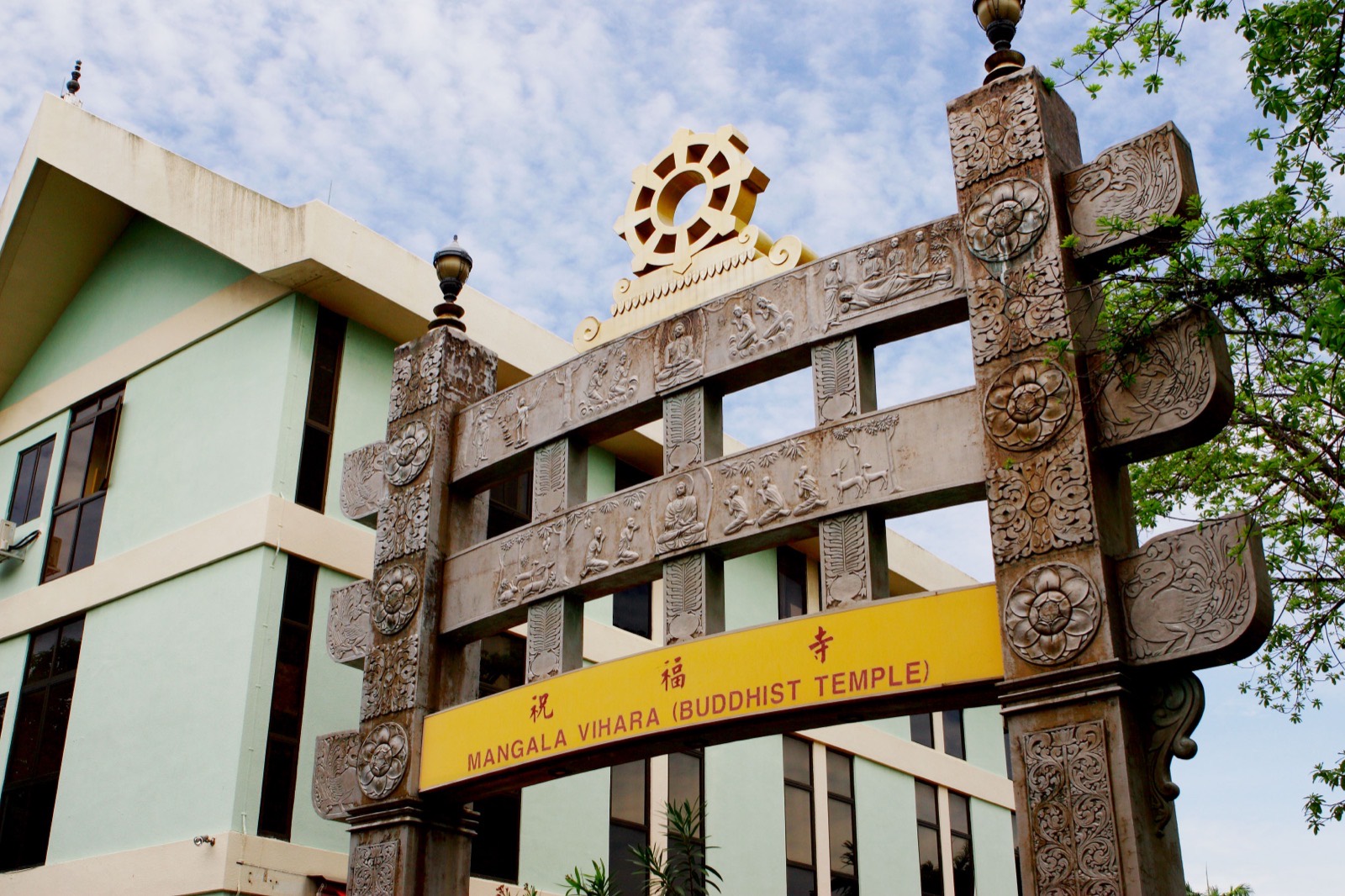 01
Sanchi Gate
The gateway at the entrance of Mangala Vihara was modelled after the Sanchi Gate in India. The Sanchi…
01
Sanchi Gate
The gateway at the entrance of Mangala Vihara was modelled after the Sanchi Gate in India. The Sanchi…
-
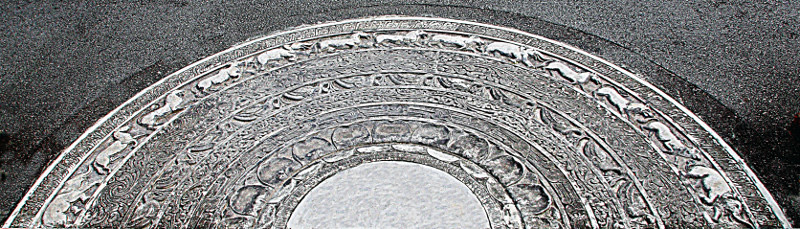 02
Moonstones & Guardstones
The Moonstones and Guardstones at the foot of the stairs leading to the main entrance of the Shrine…
02
Moonstones & Guardstones
The Moonstones and Guardstones at the foot of the stairs leading to the main entrance of the Shrine…
-
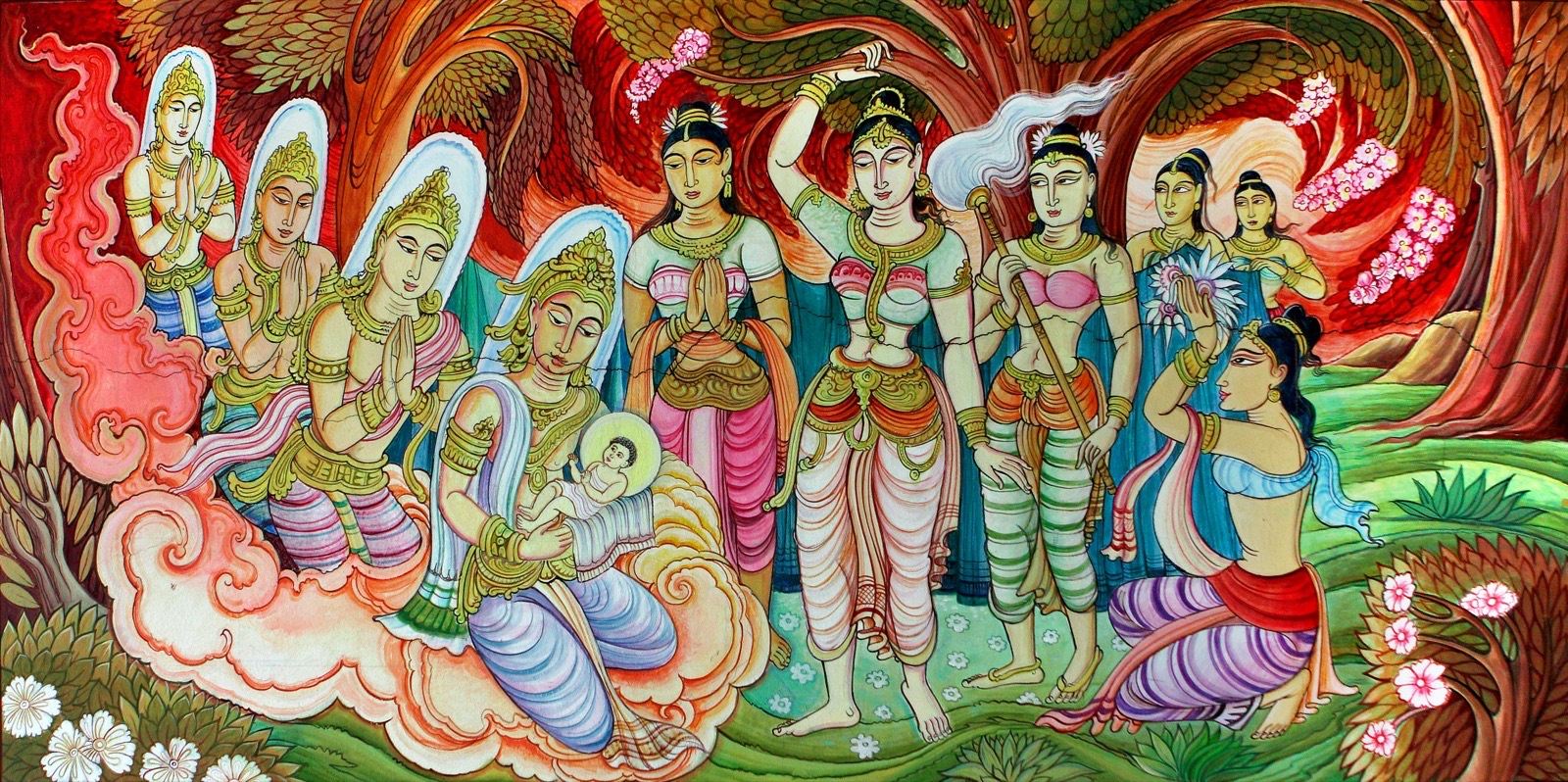 03
The Murals
The first set of murals was painted in 1962 by Mr G A Peiris, a long-time member and…
03
The Murals
The first set of murals was painted in 1962 by Mr G A Peiris, a long-time member and…
-
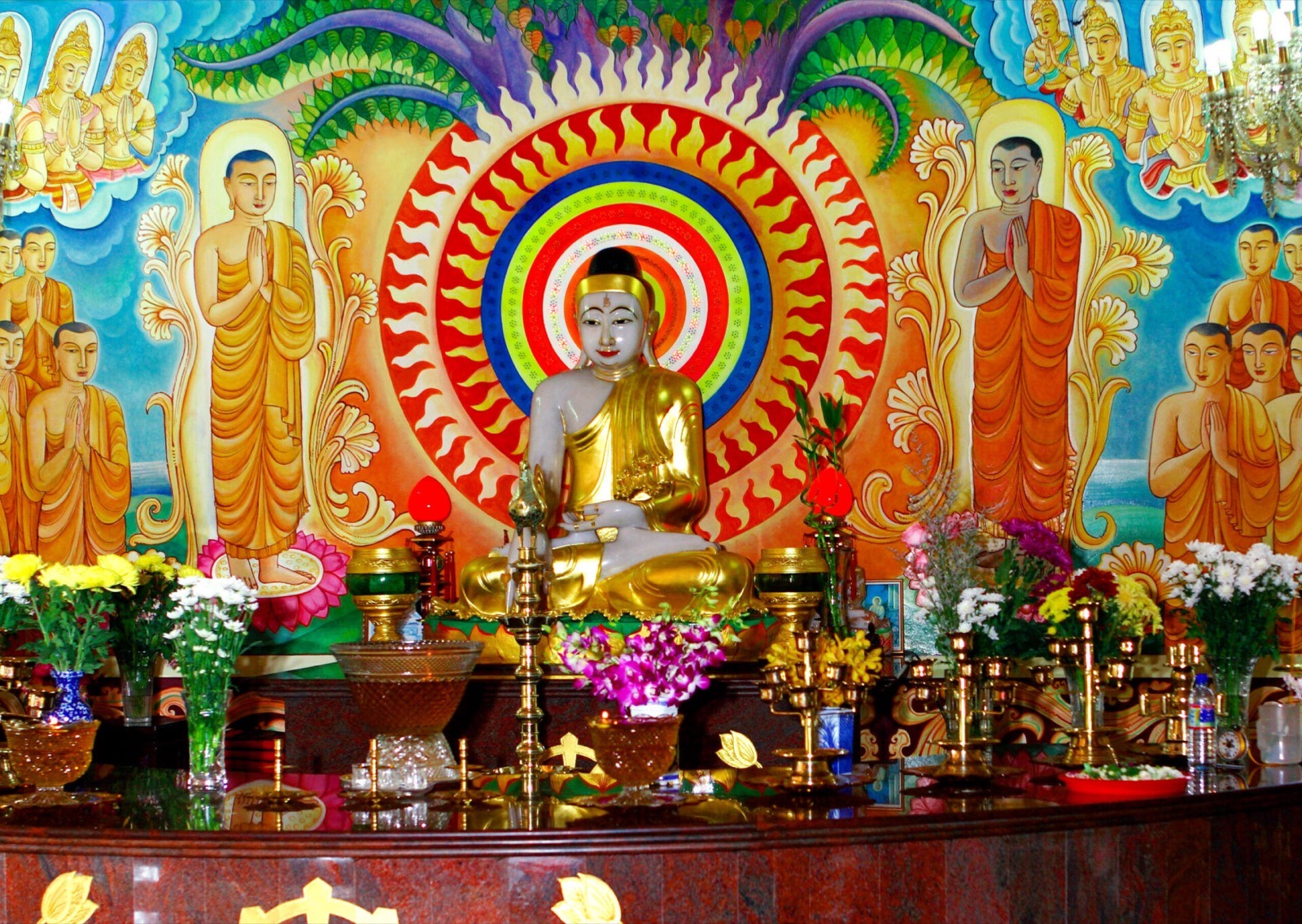 04
Buddha Images
At Mangala Vihara the main images of the Buddha are installed in the Main Shrine Hall, Sima House…
04
Buddha Images
At Mangala Vihara the main images of the Buddha are installed in the Main Shrine Hall, Sima House…
-
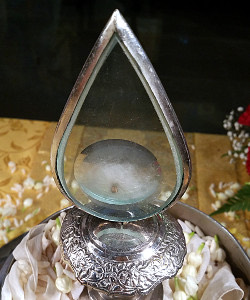 05
Relics
The Maha Parinibbāna Sutta stated that several relics were left following the Buddha’s cremation. These were divided among…
05
Relics
The Maha Parinibbāna Sutta stated that several relics were left following the Buddha’s cremation. These were divided among…
-
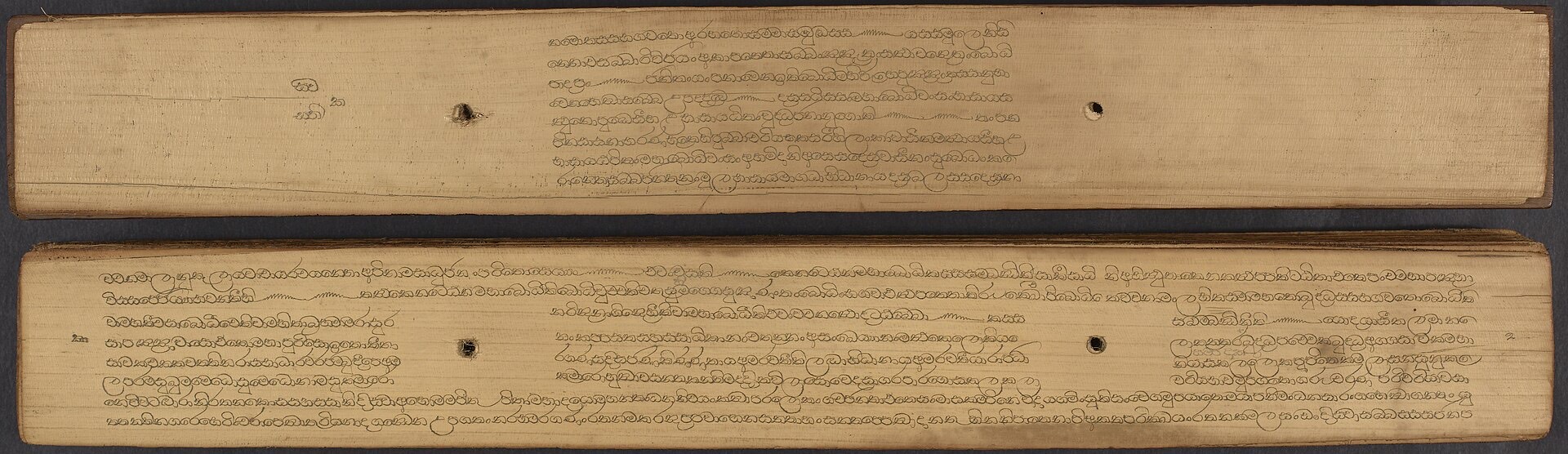 06
Ola Leaves & Miniature Shrine
Mangala Vihara’s collection of the Ola inscribed with the Catubhanarara Paritta Sutta (Book of Protection), is exhibited only…
06
Ola Leaves & Miniature Shrine
Mangala Vihara’s collection of the Ola inscribed with the Catubhanarara Paritta Sutta (Book of Protection), is exhibited only…
-
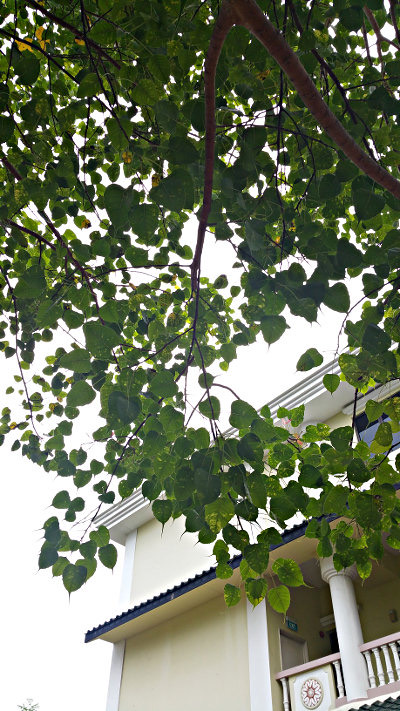 07
Bodhi Tree & Naga Puspa
Buddha Gotama attained Enlightenment seated under a Pipal tree (Ficus religiosa) at Bodh Gaya. This tree is popularly…
07
Bodhi Tree & Naga Puspa
Buddha Gotama attained Enlightenment seated under a Pipal tree (Ficus religiosa) at Bodh Gaya. This tree is popularly…
-
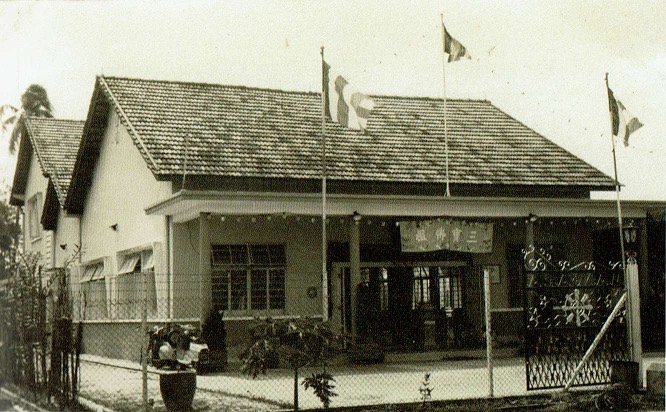 08
Sima House
A Sima House, translated as Chapter House or Ordination Hall, is an important place for Acts of the…
08
Sima House
A Sima House, translated as Chapter House or Ordination Hall, is an important place for Acts of the…
Come and see them for yourself.
The Shrine Hall is open daily for quiet devotion, 7am–9.30pm. Come any day to sit with the murals and the images; for a gentle first visit, join the public pūjā (service of devotion) on Sunday at 11.00am (arrive from 10.45am). Questions? Call us, or visit the office on Sundays between 10am and 1pm.